
An educational experience combining technical visits and fieldwork to learn about La Palma’s water resources and the demonstration sites of the GENESIS project.
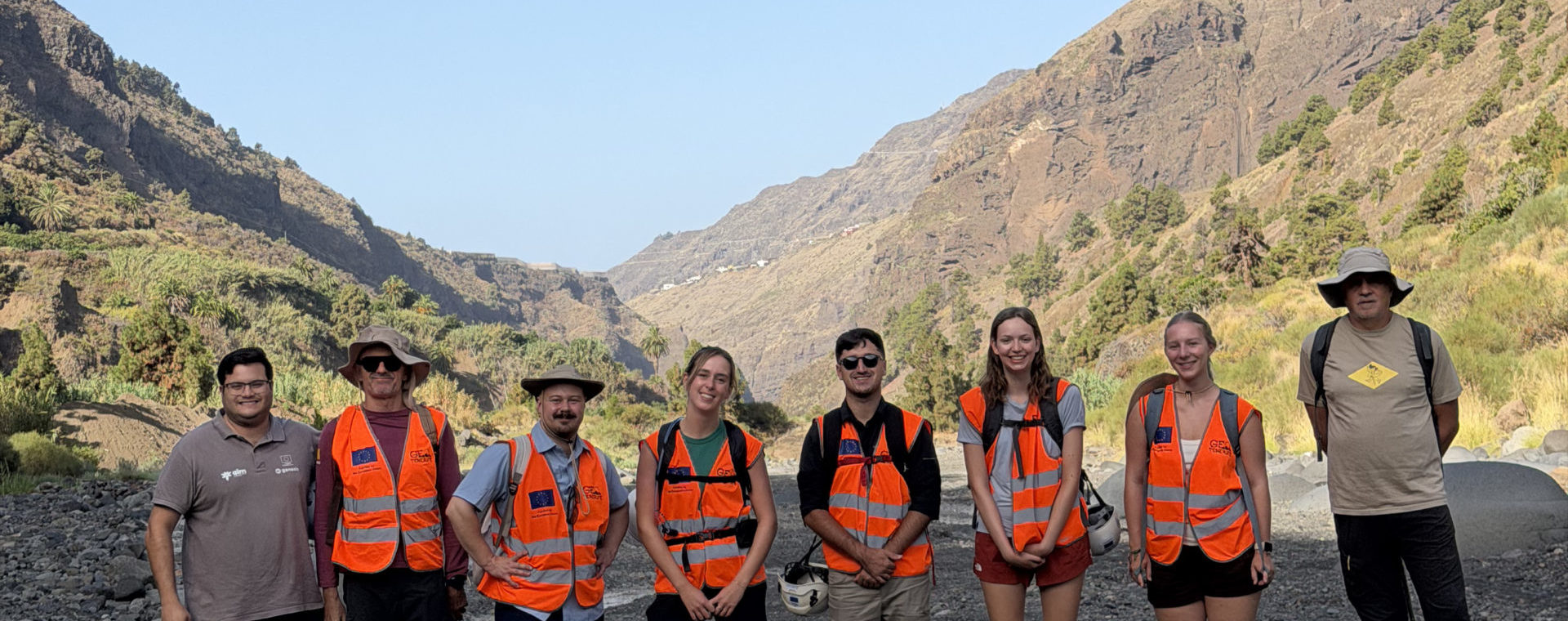
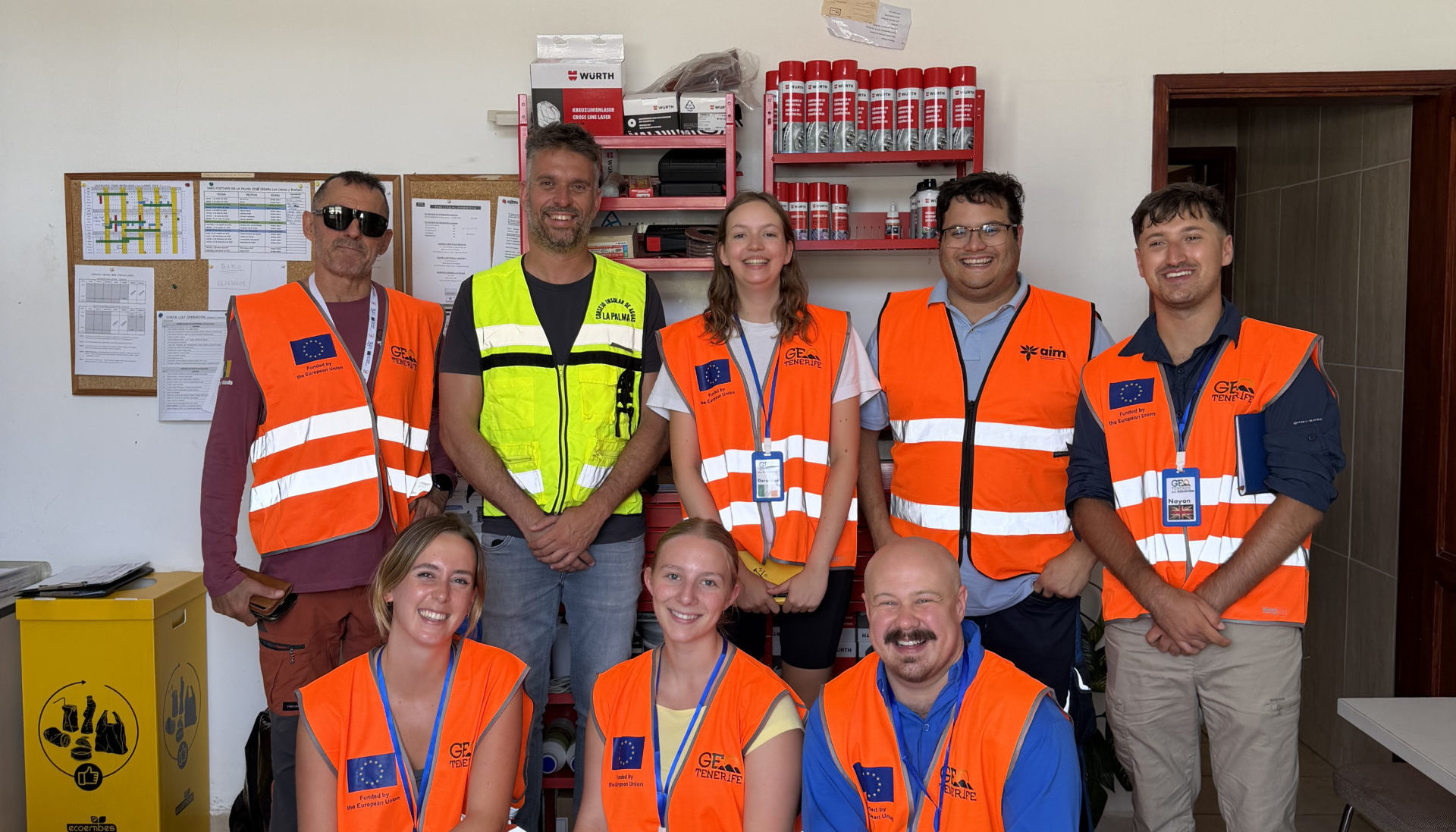
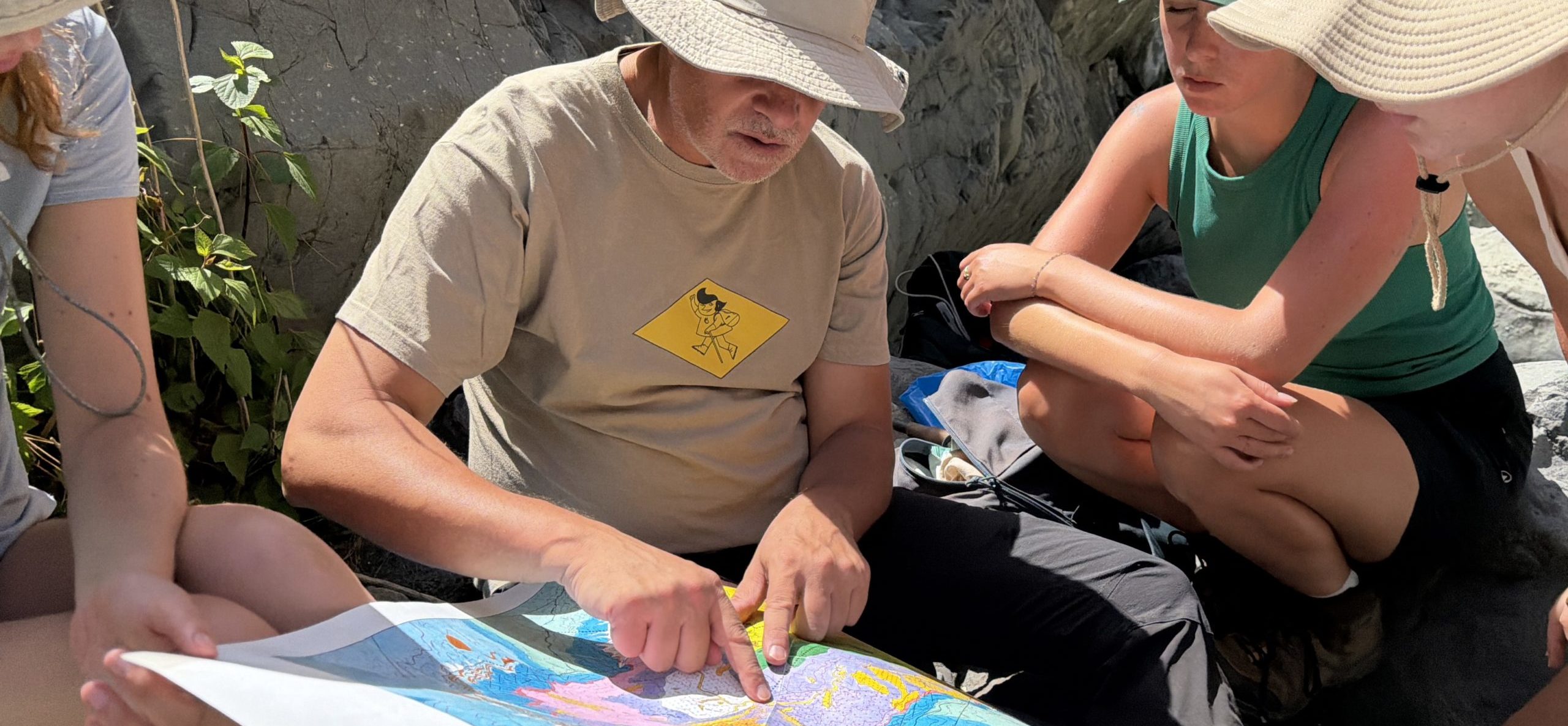
For a week, La Palma hosted the GENESIS Training Boot Camp 2026, a training event organised as part of the GENESIS project by GeoTenerife. From the Association for Research on Macaronesia (AIM) We are responsible for organising and coordinating a large proportion of the activities carried out on the island, accompanying the students during a week dedicated to learning about groundwater management on La Palma and the work that GENESIS is carrying out through the nature-based solutions (NbS).
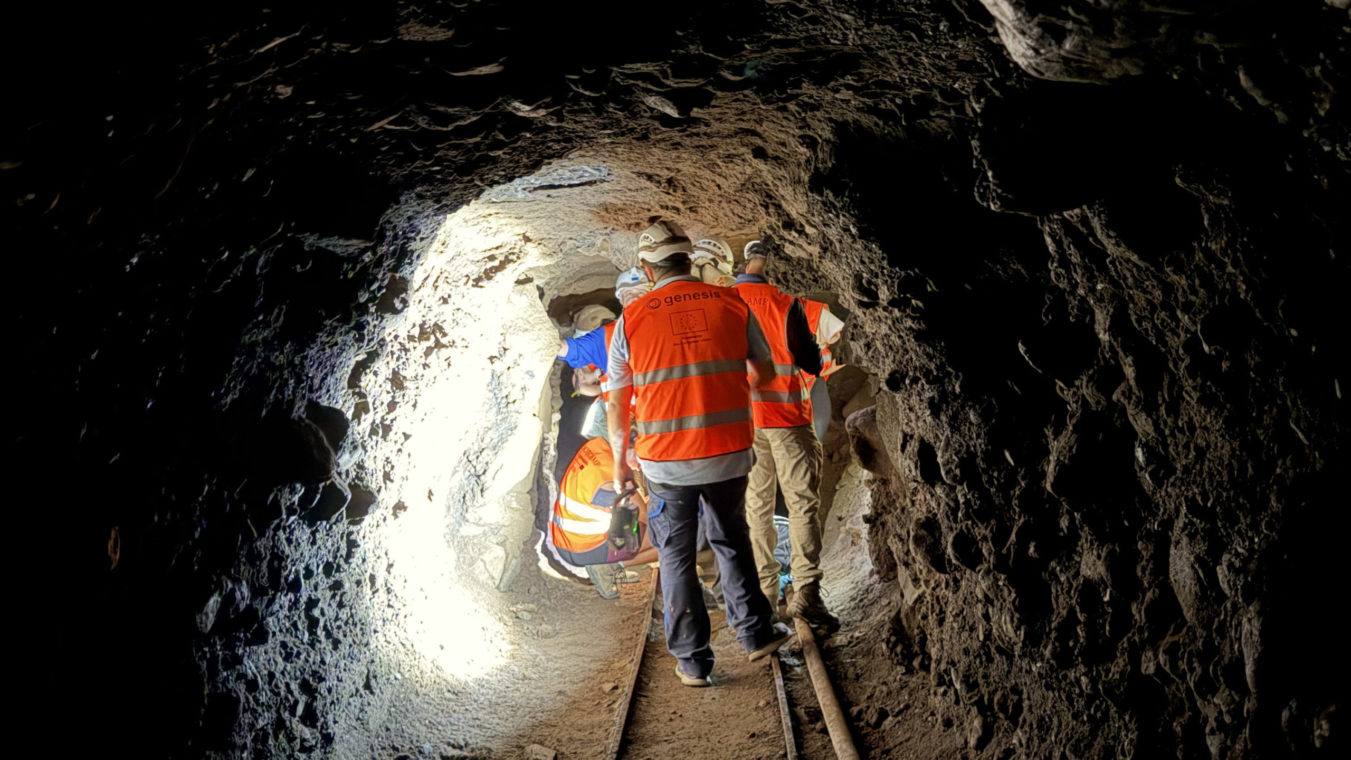
And this time, the classroom was outdoors. Over the course of those days, we explored galleries, visited waterworks, walked amongst banana plantations and met the demonstrators from Barlovento, Trasvase, Tenisca y Barranco de Las Angustias. On each visit, it was the very people who work with water and the land on a daily basis who helped the students to understand what they were seeing.
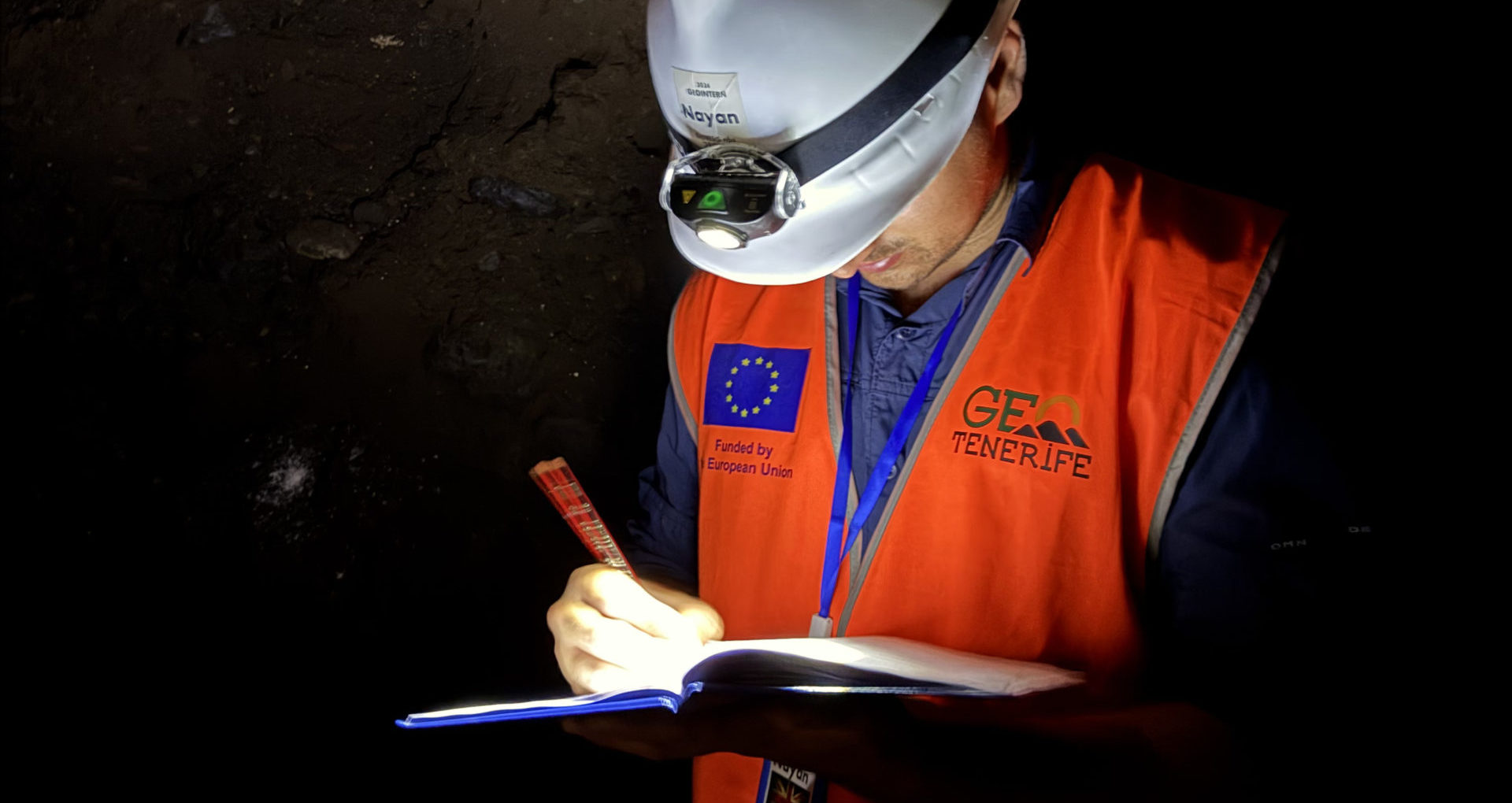
Much of the week was devoted to fieldwork. The students took part in water sampling, quality measurements and piezometric level readings, geological surveys, and environmental inventories and assessments, using various pieces of equipment directly and collecting data in the field. This enabled them to work on real-world cases and gain a better understanding of both the island’s water infrastructure and the solutions being developed within GENESIS.
However, water on La Palma cannot be understood solely through measurements. The students also carried out surveys amongst various local stakeholders to find out their views on access to water, infrastructure and the GENESIS project itself. In this way, they were also able to gain an insight into the role played by water communities, the agricultural sector and other organisations involved in water management.
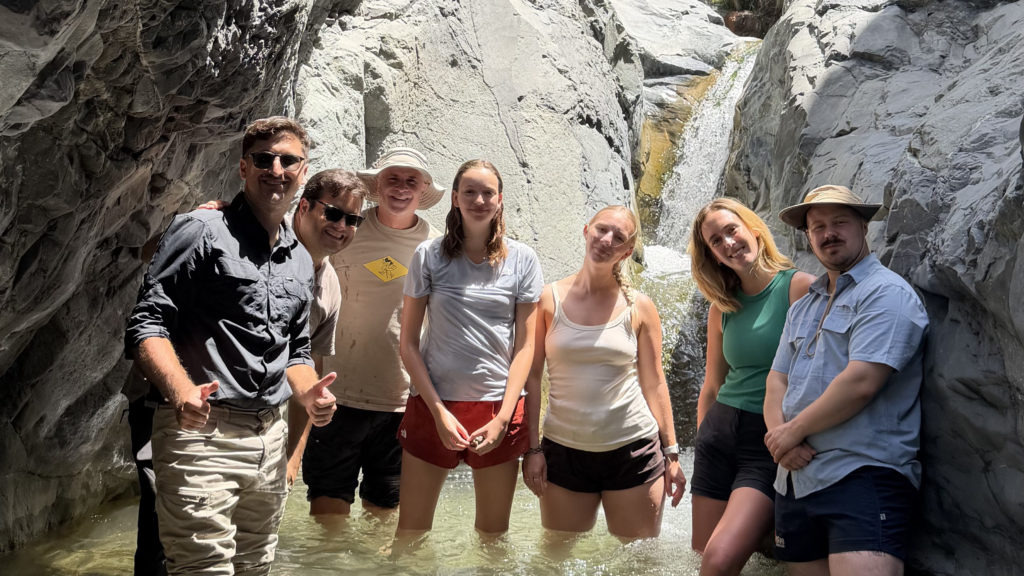
At AIM, we coordinate the visits with the various local organisations, accompany the group throughout the event and explain the work we are carrying out at the demonstration sites on La Palma. During the week, we are joined by the Comunidad de Aguas Tenisca, el Consejo Insular de Aguas de La Palma (CIALP), CANARAGUA y la Comunidad de Aguas de Barlovento, as well as the contribution of La Palma Research Centre (LPRC) in a number of the activities. Each visit gave us the chance to experience the water from a different perspective and gain a better understanding of the work involved in managing it on the island.
There was also time to work on how to present everything they had learnt. Drawing on the data and experiences gathered during the week, the students prepared scientific reports, posters, summaries and other communication materials, thereby combining technical work with the dissemination and communication of their findings.
The Boot Camp also gave us something we hadn’t really expected. As we explained what we know to people starting from scratch, we realised that there were things we’d internalised so deeply that it wasn’t always easy to find the right way to put them into words. Sometimes we had to stop, organise our thoughts and find another way to explain them. During that week we taught a great deal about La Palma, but we learnt a lot too. Because knowing something and being able to explain it aren’t always the same thing, and experiences like this also help us to keep improving the way we share what we know.